

How Wellness Is Changing Hospitality and Social Experiences
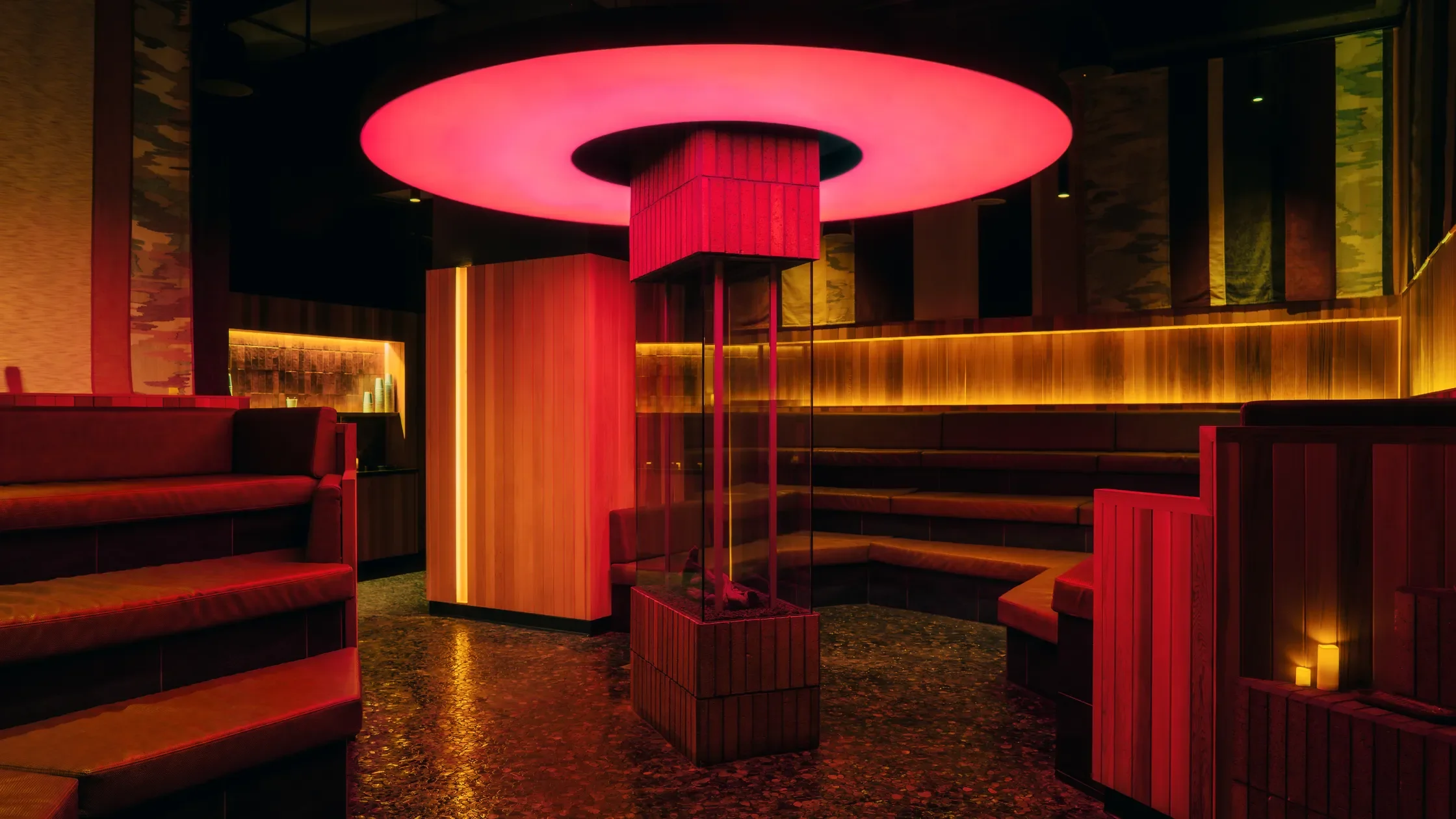
Othership, New York
Hospitality has always changed with the way people want to spend time. One of the clearest changes happening now is the growing overlap between wellness and hospitality. Guests still want to go out, enjoy themselves and connect with others, but many now also want to feel better afterwards: energised, balanced, restored. That is creating new opportunities across the sector.
London already offers strong examples of how this is taking shape. ARC Canary Wharf has brought communal heat and cold experiences into a purpose built urban setting focused on connection, recovery and community. Six Senses London has placed wellness at the centre of a premium hotel and members club offer. They are different concepts for different audiences, but both point to the same wider change in guest expectations.
The same pattern is showing up in North America. Othership, with locations in Toronto and New York, has built its offer around programming, breathwork and sober curious social sessions. Bathhouse has brought bathing and recovery into city settings in a way that feels current and relevant to changing leisure habits. Together they show how the format is moving away from traditional spa offers and towards something participatory and community focused.
Wellness led concepts can draw people in at more points throughout the day. Morning sessions, lunchtime recovery, after work bookings and evening events all create reasons to visit beyond the usual meal or drinks occasion. In a market where evening trade can be unpredictable, offers that build demand across the full day deserve attention. Some models also bring recurring revenue through memberships or programmed formats, which can help in a sector where making better use of space and driving repeat visits remain important.
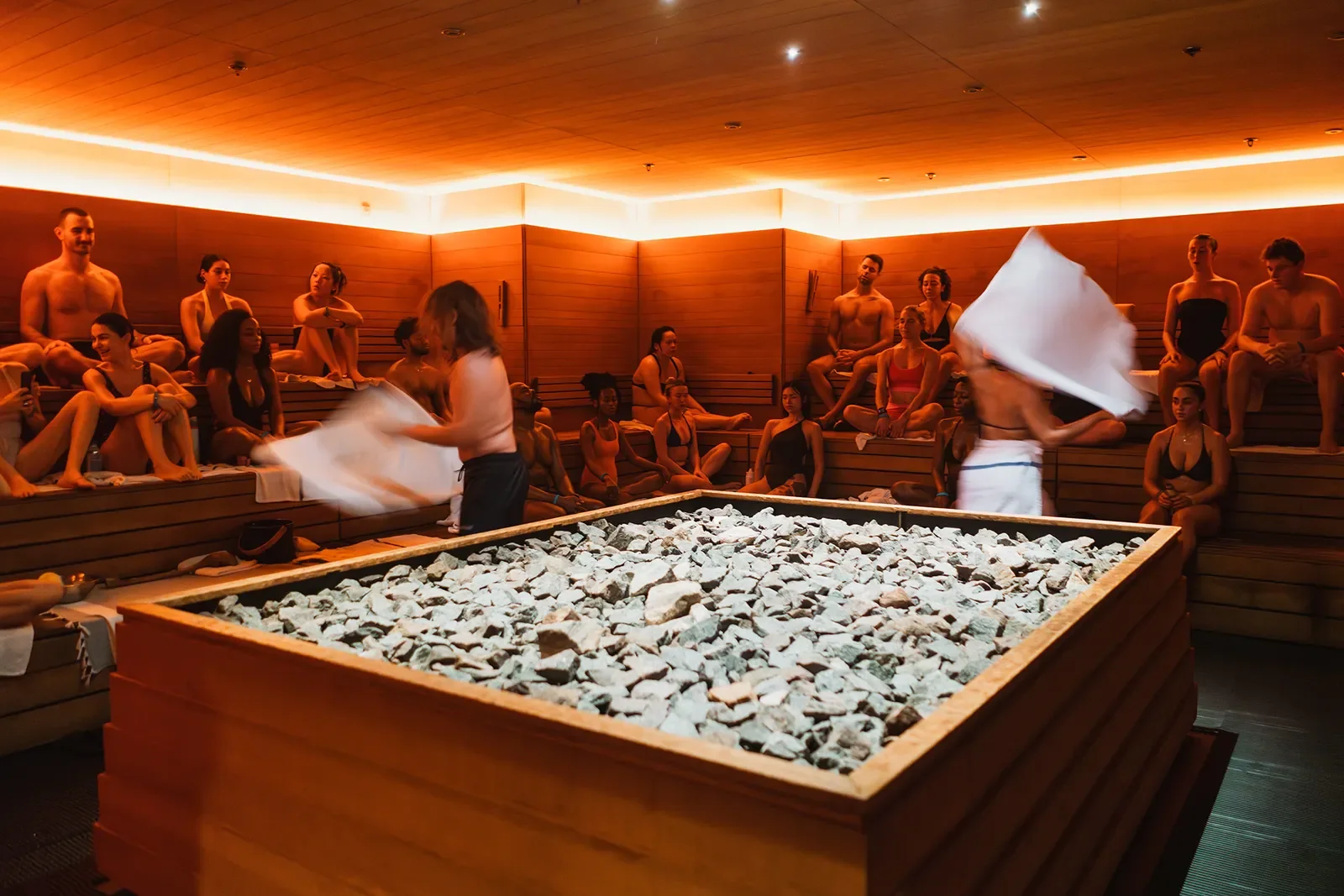
Bathhouse, New York
Delivering these spaces successfully brings its own complexity. They have to work in several ways at once: calm but sociable, premium but approachable, and restorative while still operating efficiently day to day. Where guests move through a series of settings rather than staying in one place, flow, zoning, transitions and operational requirements all have to be resolved early. Material choices have to be robust and easy to maintain while still feeling warm and considered. Lighting needs to support mood and comfort while staying practical across different times of day. Acoustic control matters where lively spaces sit close to quieter areas, and technical elements such as sound, screens and content are worth thinking through early where programming is central to the guest journey.
This is not about replacing pubs, bars or restaurants. It is about recognising that the mix of social occasions is broadening. You can see the same instinct in the rise of vinyl listening bars, where phones go off, lights go low and a full album plays without interruption on a high-grade sound system. People go for a shared, intentional experience rather than background noise, and come away feeling connected rather than depleted. These guests are not turning away from hospitality; they are simply looking for more from a night out.
Expectations are continuing to evolve, with guests looking for things that fit naturally into lifestyles shaped by health, flexibility and balance. Some brands will respond through dedicated wellness concepts. Others may do it through lighter changes: stronger daytime programming, social events not centred on drinking, or partnerships with fitness and wellness operators nearby.
What feels clear is that wellness is no longer sitting outside hospitality. It is starting to influence how people socialise, travel and choose where to spend money. The venues best placed to benefit will be the ones that understand what going out can mean now.
