
Crossing The Atlantic: Taking UK Hospitality to the US
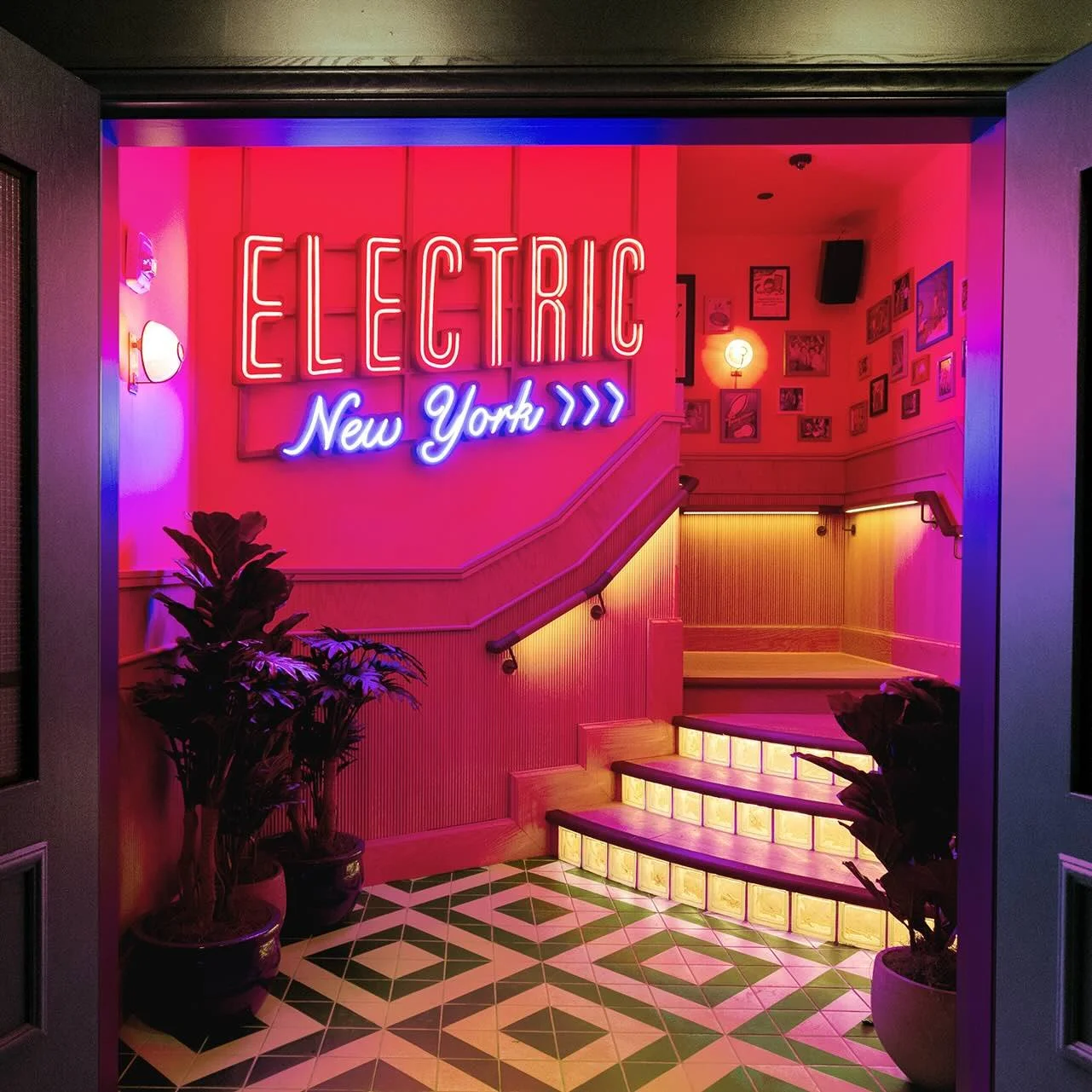
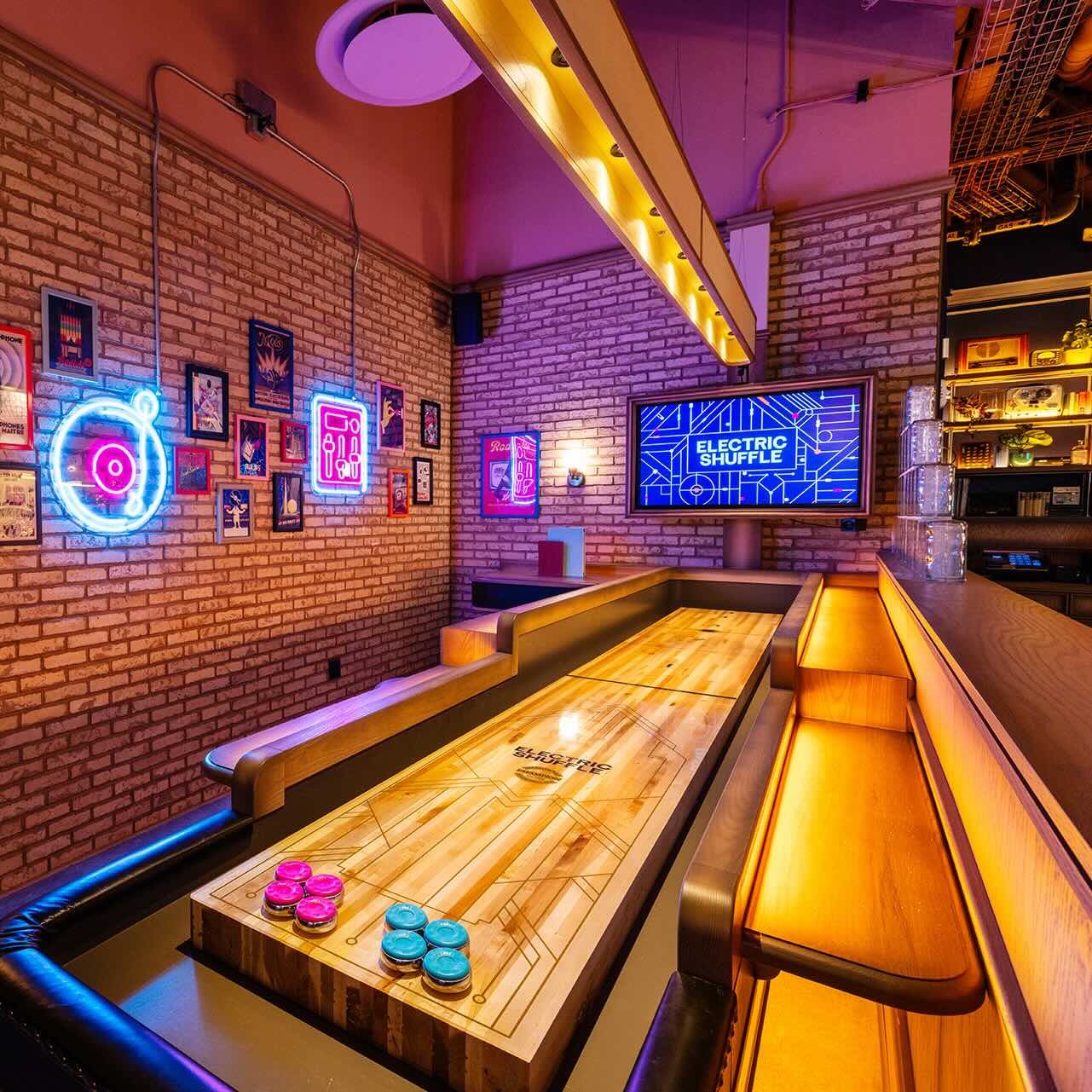
Recently, I've been speaking with operators exploring the US market. Hawksmoor and Sexy Fish have helped demonstrate the appetite for UK hospitality in the US, while Dishoom's planned New York opening suggests confidence in the market is still growing. Competitive socialising concepts such as Flight Club and Electric Shuffle have also shown that the model can scale successfully in the US. I worked in-house on US projects for several years, leading interiors for Flight Club's expansion into the American market and overseeing the rollout of Electric Shuffle from its first US site onwards. It gave me a direct view of the commercial reality of delivery across different markets, not just from a design perspective but from an operator perspective too. Having worked across a range of US markets, what follows are some of the insights I gained from that experience.
The site: the decision that shapes everything else
Many operators begin a US expansion conversation with the brand and the city, but not every market presents the same level of opportunity or complexity. For some, faster-growth US markets may offer a more accessible first step than cities such as New York or LA, where costs, competition and delivery complexity can all be higher. Market selection often needs as much strategic thought as the concept itself.
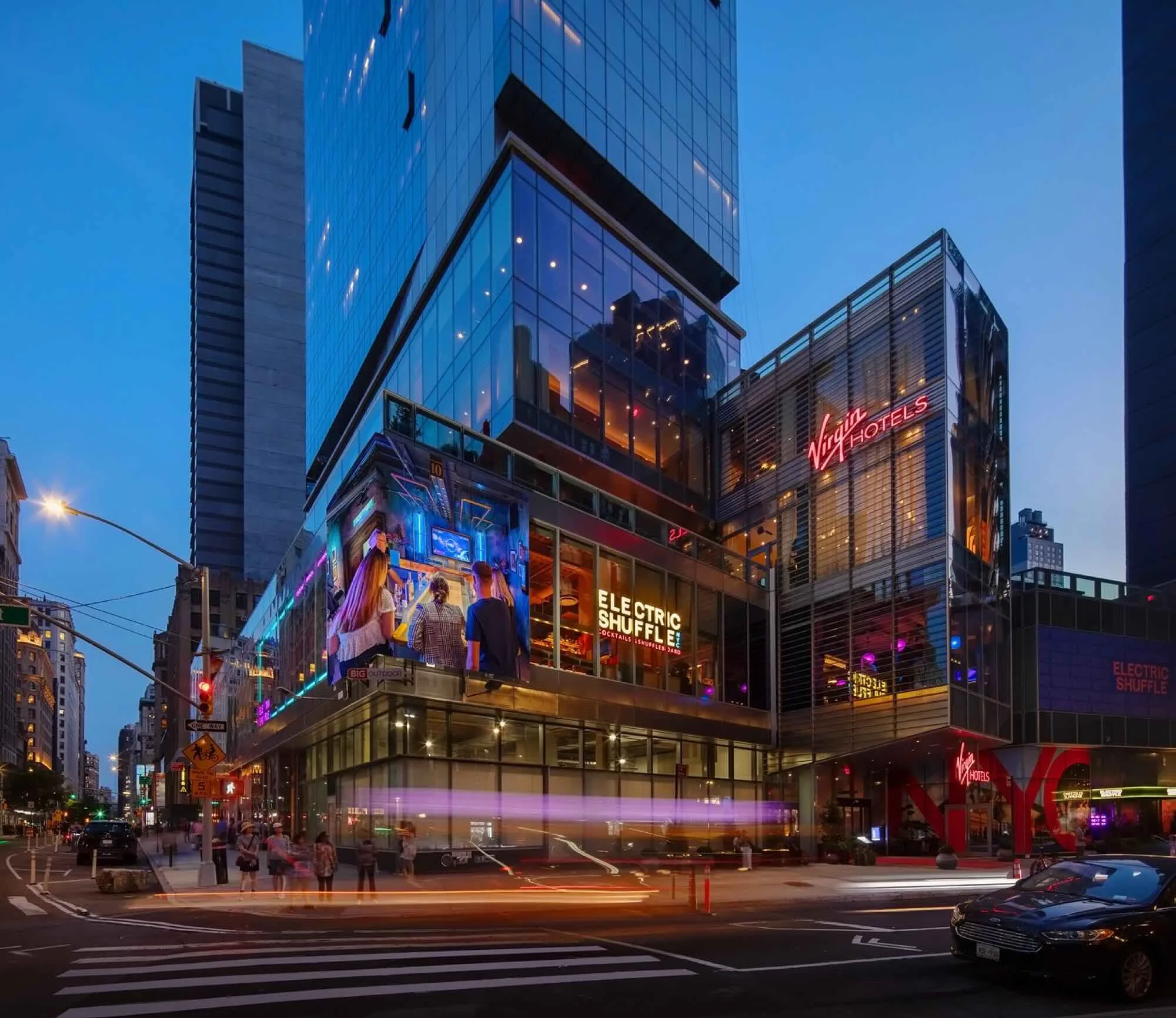
What became clear on projects was how long it could take to find the right site, and how much site selection shaped everything that followed. The building stock in US cities can be quite different from what UK brands are used to. In the locations likely to be targeted by operators, the available space is often in newer mixed-use developments, with floor-to-ceiling glazing, larger open footprints and less built-in character to draw from.
Many UK venues benefit from the texture and spatial character of older buildings. In newer US shells, that backdrop is often absent, so the interior has to work harder to create warmth, depth and atmosphere. This becomes even more challenging where full-height glazing is present, as it changes how a space feels and performs. Light is harder to manage, intimacy is harder to achieve, and the right atmosphere may take more work to create. For competitive socialising concepts, it can also affect technology, projection and other digital elements that rely on controlled light levels.
Brand adjacencies play a part too. The surrounding operators and uses influence footfall, perception and overall fit. If a similar offer has already found traction nearby, that can give greater confidence in the location.
Including a design feasibility review as part of due diligence is worthwhile. Floor space, column grid and glazing all have a bearing on how the space functions and performs, and the commercial impact can be significant. The lease process can add to this complexity, particularly where landlord design approvals are required at several stages.
Adapt the concept, protect the character
The brands that perform well in the US have a clear grasp of their own DNA. They know what is fundamental to their concept and what can be adapted thoughtfully to suit a new market, a different building type and different guest expectations.
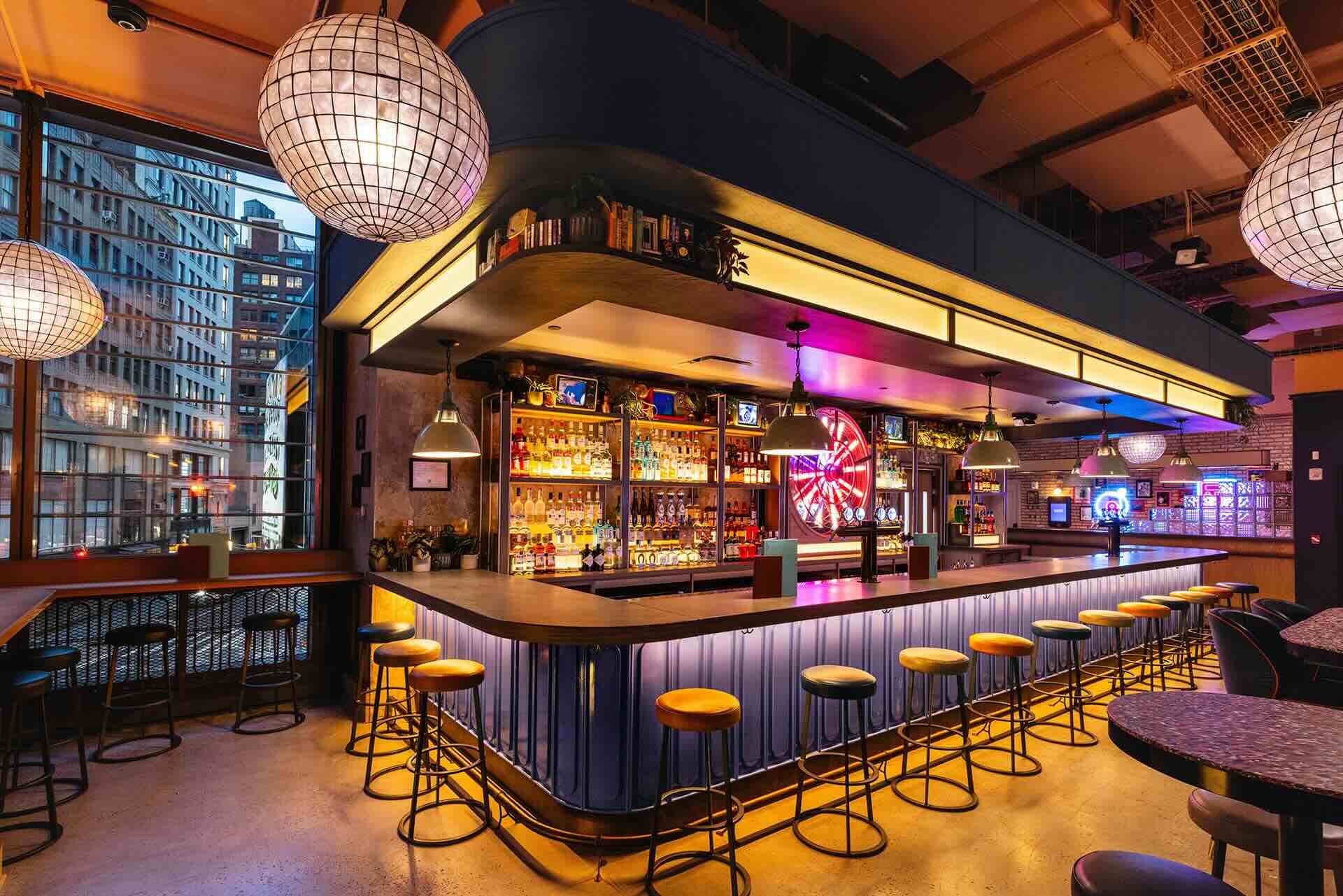
Bar seating was one of the clearest examples of that for me. In the US, bar seats are often used for full dining occasions, not just drinks or waiting for a table. That makes the bar a more important part of the guest experience and affects how it should be planned, from comfort and proportions to service and food delivery. If it is not considered at planning stage it may never perform as well as it should.
Scale presents its own challenges. US sites often offer larger footprints and different spatial conditions from what operators may be used to at home. An interiors scheme that reads well in one setting can land very differently in another. Layout, lighting, acoustics and circulation all need to be reviewed carefully, particularly for competitive socialising concepts where activity, dining, bar and technology all need to work together.
The ones that translate best feel rooted in their location rather than simply transferred into it. That comes from making the right adaptations from the beginning, so the result is a concept that feels integrated, commercially sound and true to what made it successful in the first place.
The delivery process: time, permitting and getting to site
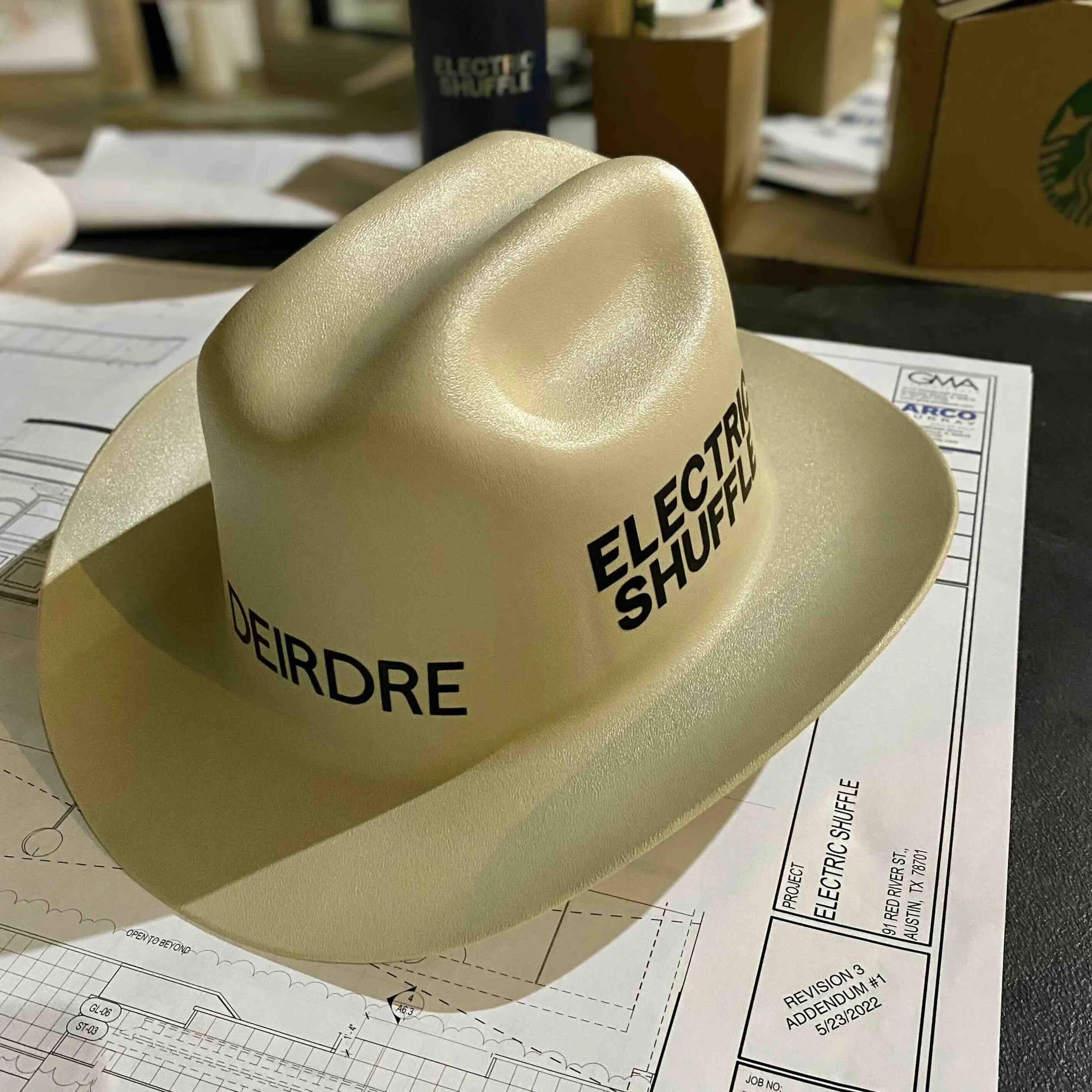
Once a site is secured, the delivery process may feel broadly familiar. In practice, however, US projects often require more time for documentation, approvals and permitting ahead of construction. Permitting often needs to be treated as a programme stage in its own right, as timelines and requirements can vary significantly between cities and jurisdictions. Local code input can help teams identify compliance, fire life safety and accessibility requirements before they become a source of delay, redesign or added cost.
What it costs: a few things worth knowing early
Construction costs in major US cities are higher than in the UK, so it is worth building in additional contingency. Labour structures and local requirements can all affect cost and programme.
Joinery is worth resolving sooner rather than later, as some operators prefer to work with UK makers who know the brand and understand the level of quality and detail expected, while others source locally for speed, simplicity or programme reasons. The decision should be measured against quality, lead times, shipping, customs and the current tariff landscape. Lighting warrants the same consideration: some operators may want to work with UK suppliers to maintain consistency in look and quality, but fittings still need to be suitable for the US market and aligned with the relevant technical requirements. Clear documentation and change control can make a significant difference as the programme progresses, especially when multiple teams and time zones are involved.
Running projects from the UK: more than just the time difference
Many operators will manage at least part of a US project from the UK, so the time difference needs to be factored into resourcing planning. From my own experience, even small decisions could take longer across time zones, and if UK projects were running at the same time, it often meant switching between different markets, priorities and working rhythms while also covering more than one role.
For some operators, a short-term relocation during key stages of delivery may make sense, so someone from the home team is on the ground when decisions need to be made quickly.
Handover: defining the finish line
In the US, the equivalent of snagging is usually referred to as a punch list. The principle is similar, but the closeout stage is often more formal and closely tied to documentation and final payment. Defining what “done” looks like before construction, in terms of finish, sign-off and handover requirements, helps avoid ambiguity at a stage when time and goodwill can both be in short supply. A post-opening review is worth allowing for once the venue is in use, when lighting, acoustics and service flow can be tested under real operating conditions.
No project is ever completely plain sailing. There are long days, late phone calls, problem solving on site and points when delivery can feel relentless. But there is a moment when the project starts to turn a corner. Joinery is fitted, refinements are made and details that have existed on paper for months begin to emerge in the built space. The scheme reveals itself and the pressure lifts. In those quieter moments on site, as the build team resolves the last few details, the outcome becomes more tangible. In the end, that is the part people remember: not the approvals or paperwork, but the atmosphere, the detail and the experience of a space carefully brought to life.
The opportunity is real
The US remains an exciting market for hospitality brands. American guests have a real appetite for what UK brands often do well: bringing more than a menu, with a distinct identity, rich storytelling, design confidence, attention to detail and a sense of occasion that makes the experience worth seeking out.
What often separates a venue that opens well from one that struggles is not the offer itself, but the level of preparation behind it: understanding the market before committing to a site, building the right team from the start and going into delivery with realistic expectations. This is where UK hospitality can be especially effective. At its best, it combines a clear design point of view with good food and drink, thoughtful detailing and a well-considered guest experience. With the right groundwork in place, more brands can succeed in the US. The venues that feel effortless are usually the result of good decisions made early, long before the doors open.