

10 Layout Principles For Hospitality Spaces
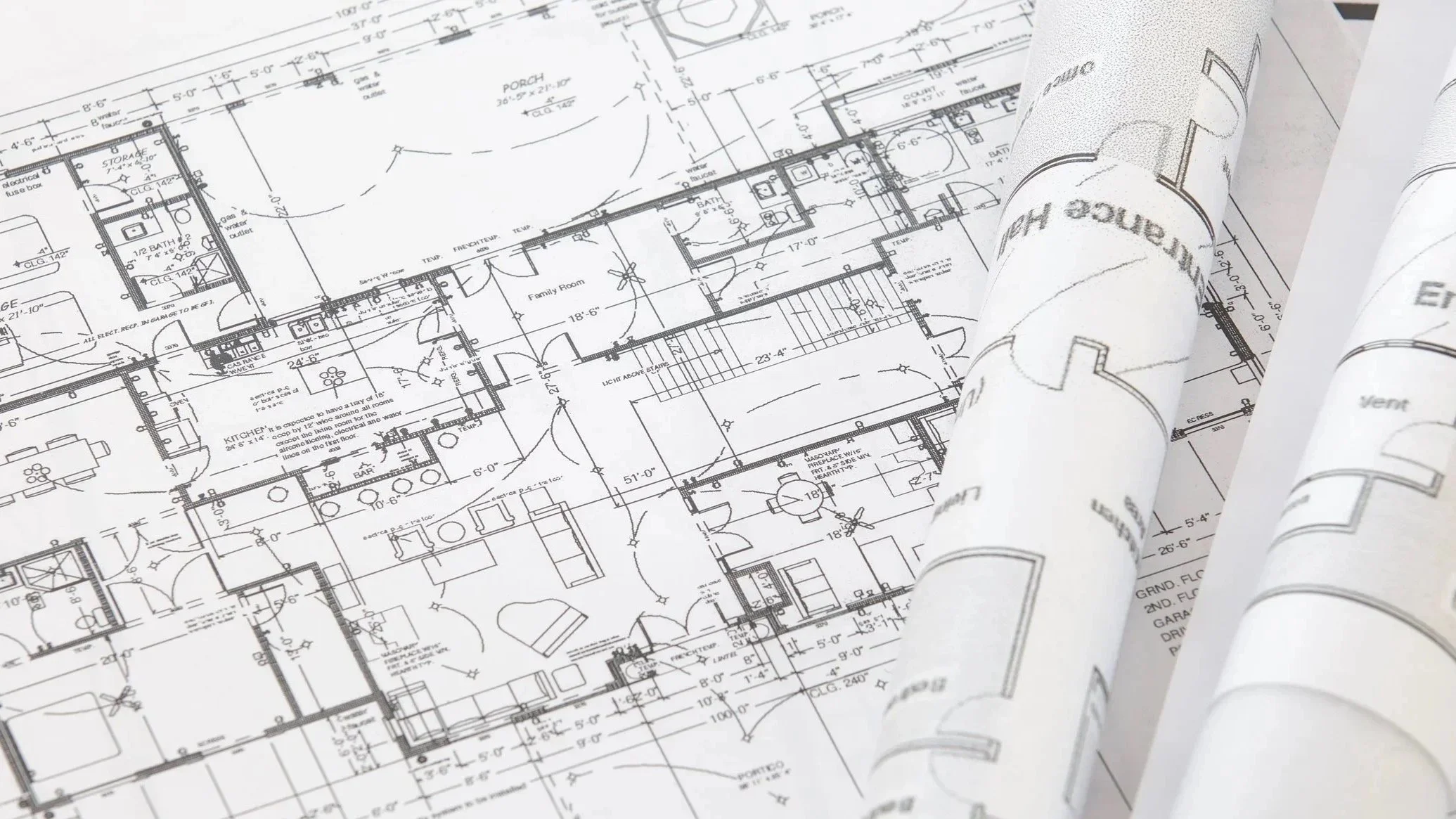
You can feel a good layout the moment you walk through the door. You can feel a bad one too.
The issue isn’t always obvious on the floor plan. A feasibility study runs the numbers, the layout gets approved, and 12 months later you’re wondering why one half of the venue sits empty, why certain tables never get requested, and why your team is constantly battling the space rather than working with it.
We’ve designed a broad range of hospitality spaces, from high-energy competitive socialising venues, cafes to intimate dining rooms. Across all of them, we’ve come to see layout as one of the most fundamental decisions in any project. It’s the foundation everything else is built on: the guest experience, the operational flow, and ultimately, how well the space performs.
Often a floor plan looks good on paper but hasn’t been fully scrutinised. With the pace of some projects, it’s understandable how this happens. Plans move forward without being properly tested, and before long the fit-out is underway with issues already embedded in the design, issues that become expensive to fix once you’re operational.
These are the ten principles we return to on every project, regardless of market or venue type. They’re written for operators and owners who want to understand what makes a layout work before committing to a design. Of course, layout is only one part of the picture. Lighting, acoustics, and the overall vibe of a space all play their part, and we’ll explore those in future posts. For now, this is purely about the bones of the space and getting them right.
For experienced operators, some of this will feel instinctive. The difference we’ve seen is in applying these principles together from the outset, rather than addressing them individually once problems emerge.
1. Customer journey
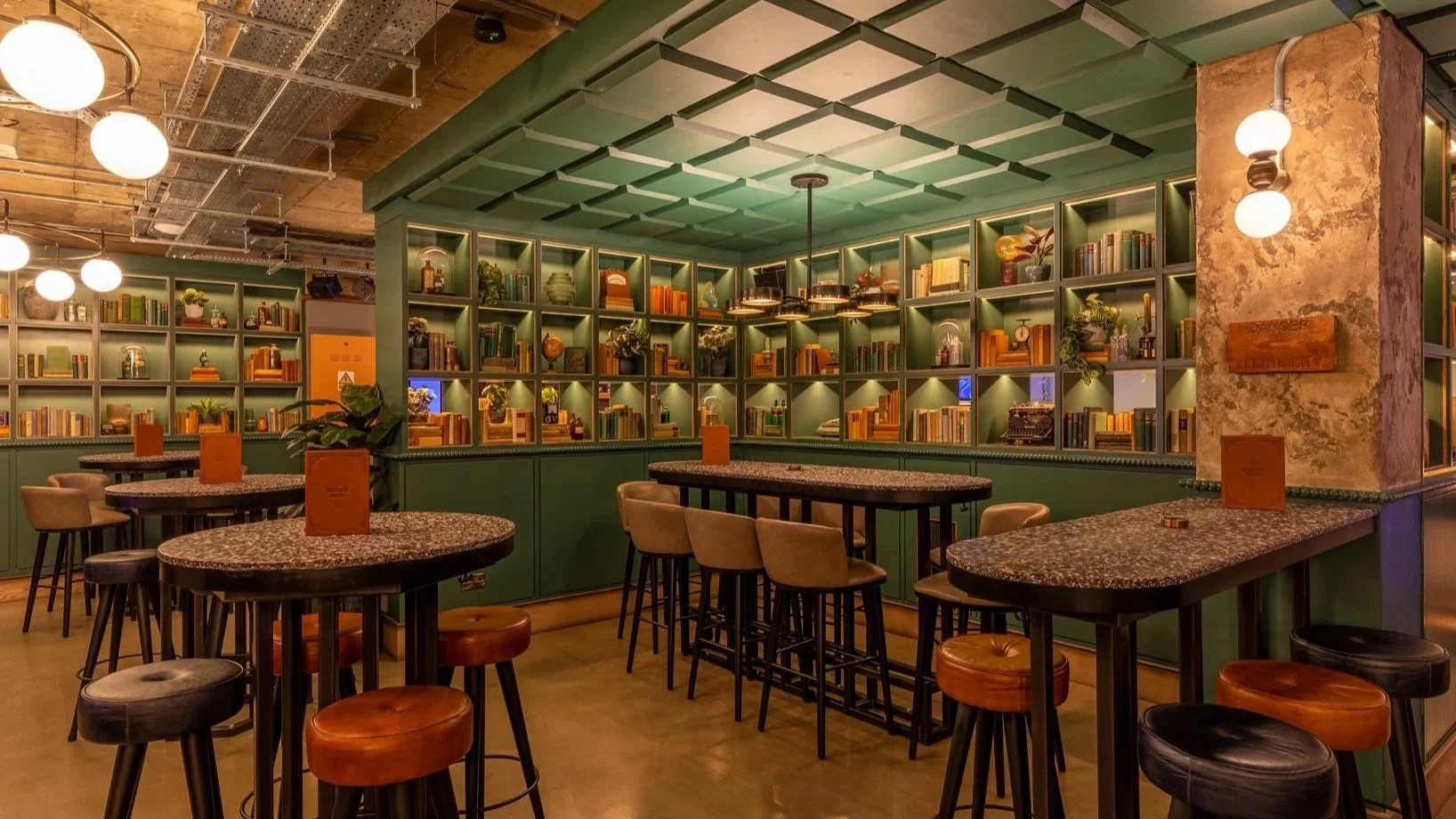
Before a single table is placed, we map the journey a guest takes from the moment they approach your venue to the moment they leave.
What’s the first thing they experience upon arrival? If you’re encouraging casual drinks, don’t greet them with a host desk that suggests formality. If you’re a restaurant, make sure the dining room is visible early in their journey.
Where will guests naturally gravitate? How far is the bar from the entrance? Where might they hesitate or feel uncertain about where to go? Where are the potential bottlenecks during busy service?
The layout needs to feel intuitive. Guests shouldn’t have to think about how to navigate your space. They shouldn’t find themselves lost looking for the toilets or having to squeeze past the kitchen entrance to reach them.
When circulation works, everything else follows: comfort, dwell time, and a willingness to return. Good interior design is often invisible. You don’t notice it’s there until it isn’t.
2. Finding the right balance
There’s always pressure to maximise covers, but cramming in extra tables often backfires. A thoughtful layout accommodates guests by using space efficiently, through considered furniture selection, clever zoning, and clear circulation routes, without making people feel like they’re sitting on top of each other.
The goal is to design for optimum capacity, not maximum, and that balance starts with understanding your offer.
The ratio of space per person shifts dramatically depending on venue type. A fast-casual dining space operates on very different density to a high-end restaurant. Get that ratio wrong in either direction and you create problems.
Too tight, and guests feel like they’re part of the neighbouring table’s conversation. We’ve reviewed layouts where tables were technically compliant on paper but in reality offered zero privacy and an uncomfortable dining experience.
Too generous for a casual offer, and the space feels empty and uninviting, even at 60% occupancy. The atmosphere drops, and with it, the energy that draws people in.
It’s about calibrating the space to match the experience you’re offering.
3. Zoning
A single venue can serve very different needs depending on the time of day, the guest, and the occasion. Zoning helps create distinct areas for dining, social drinking, or quieter moments, allowing you to cater to multiple audiences within the same footprint.
It’s one of the most effective ways to make a venue feel considered. A well-zoned space feels comfortable at every point in the day, whether there’s one person at the bar on a quiet Tuesday afternoon or the venue is packed on a Saturday night.
But zoning needs to be rooted in your design concept. Without that anchor, too many zones can blur your venue’s identity and confuse the offer. Are you a restaurant with a bar, or a bar that serves food? The layout should answer that question clearly.
Zoning works best when it supports your core concept rather than competing with it. Done well, it allows you to flex your space for different dayparts and guest types without losing coherence.
That said, zoning doesn’t always mean separation. Depending on the offer, integration can be just as important. In a competitive socialising venue, for example, the gaming and the bar need to feed off each other. Separating them would kill the energy. The key is understanding what your concept needs and designing the zones, whether distinct or integrated, to support that.
4. sightlines
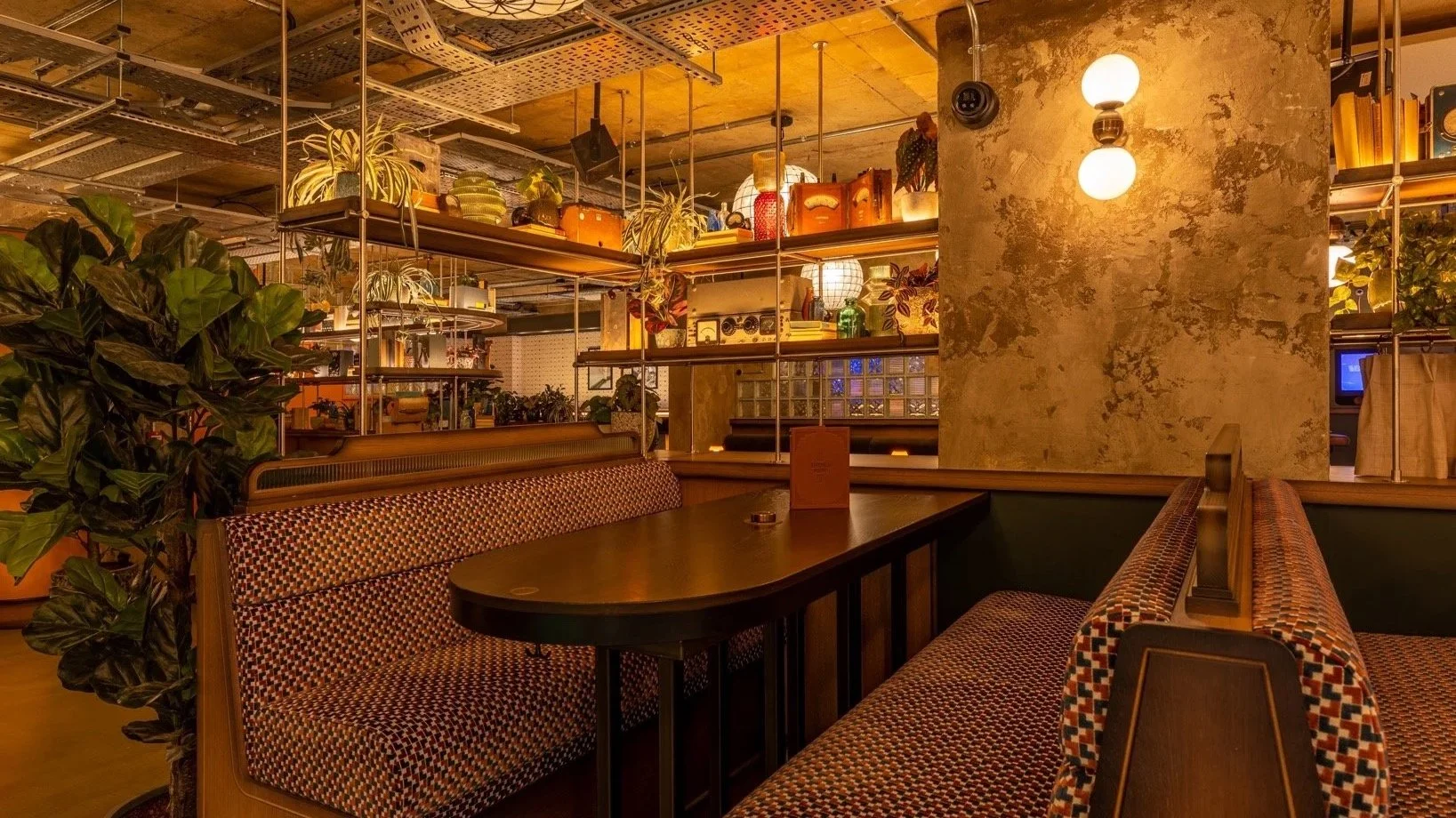
Sightlines start before a guest even steps through the door. The view into your venue from outside, what’s visible or not visible through the glazing, the sense of energy or calm, is often what draws someone in or makes them walk past. It’s one of the most overlooked design decisions.
Once inside, what they see immediately shapes their expectations and behaviour. If the bar is the first thing visible, it invites a drinks-first mentality. If the dining room greets them, they’re already thinking about food. That initial impression is designed, not accidental.
But that doesn’t mean everything needs to be on show at once. People enjoy a sense of discovery, and selectively closing down certain sightlines can create intrigue and encourage guests to move deeper into a space. The exception might be a food hall, where the whole point is to see every offer from the moment you walk in.
Sightlines matter throughout the venue. Activity visible deeper in the space draws guests through rather than clustering everyone near the entrance. An open kitchen or visible bar acts as an anchor, giving the whole venue energy and depth.
We check sightlines from multiple positions: from outside looking in, from the entrance looking through, from key seating areas. What you see (and don’t see) from each position is worth considering carefully.
5. Operations
A layout isn’t just for guests, it’s also for the team running the venue every day. The distance between kitchen, bar, and waiter stations has a direct impact on service speed, labour costs, and your team’s ability to deliver a consistent experience.
If your staff are walking a long way from the kitchen to a section of the dining room, that’s time and energy that adds up across a service. If the bar is isolated from the dining area, service becomes disjointed.
Considering staff movement early in the design process pays off. Where are the pinch points? Can servers move through the space efficiently during peak service? Is there adequate back-of-house support in the right locations?
Small operational considerations, a strategically placed waiter station, adequate space behind the bar for multiple staff, clear routes that don’t cross guest circulation, make an enormous difference to how smoothly your venue runs. It’s always worth involving your operations team during the design phase. They’ll bring a practical perspective that can make the difference between a space that functions smoothly and one that needs workarounds.
6. Flexibility
Hospitality spaces rarely operate the same way throughout the week. A layout that can adapt, for private dining, events, seasonal shifts, or the difference between a quiet Tuesday and a busy Friday, will always outperform one that’s locked into a single configuration.
Small elements of flexibility go a long way: the ability to close off a section on a quiet evening, open up a space for private events, or reconfigure for larger groups. This might be as simple as well-considered movable screens, flexible furniture, or thoughtful placement of fixed elements.
But there’s a balance. Too much flexibility and a space can start to feel temporary, losing the sense of permanence and character that makes guests want to return. It can also become an operational headache for your team if they’re constantly rearranging furniture.
7. creating atmosphere through layout
Layout and atmosphere are inseparable. The proportions of a room, the sightlines, the balance between open and enclosed spaces, all of these shape how a guest feels in your venue.
A slightly elevated section can create a sense of occasion while adding visual interest. Varying ceiling heights, lower over booths, higher in social areas, introduces different datum lines that give a space its visual rhythm. These aren’t decorative choices; they’re spatial ones, and they define the character of the experience.
The biggest mistake we see is designing everything on a single plane. When all your seating is at the same level, all your ceilings at the same height, the space can feel flat and monotonous.
Small changes in level, sightlines, and enclosure create varied experiences within the same venue. Some guests want to see and be seen. Others want a more intimate corner. A good layout offers both.
8. ELIMINATE DEAD SPACE
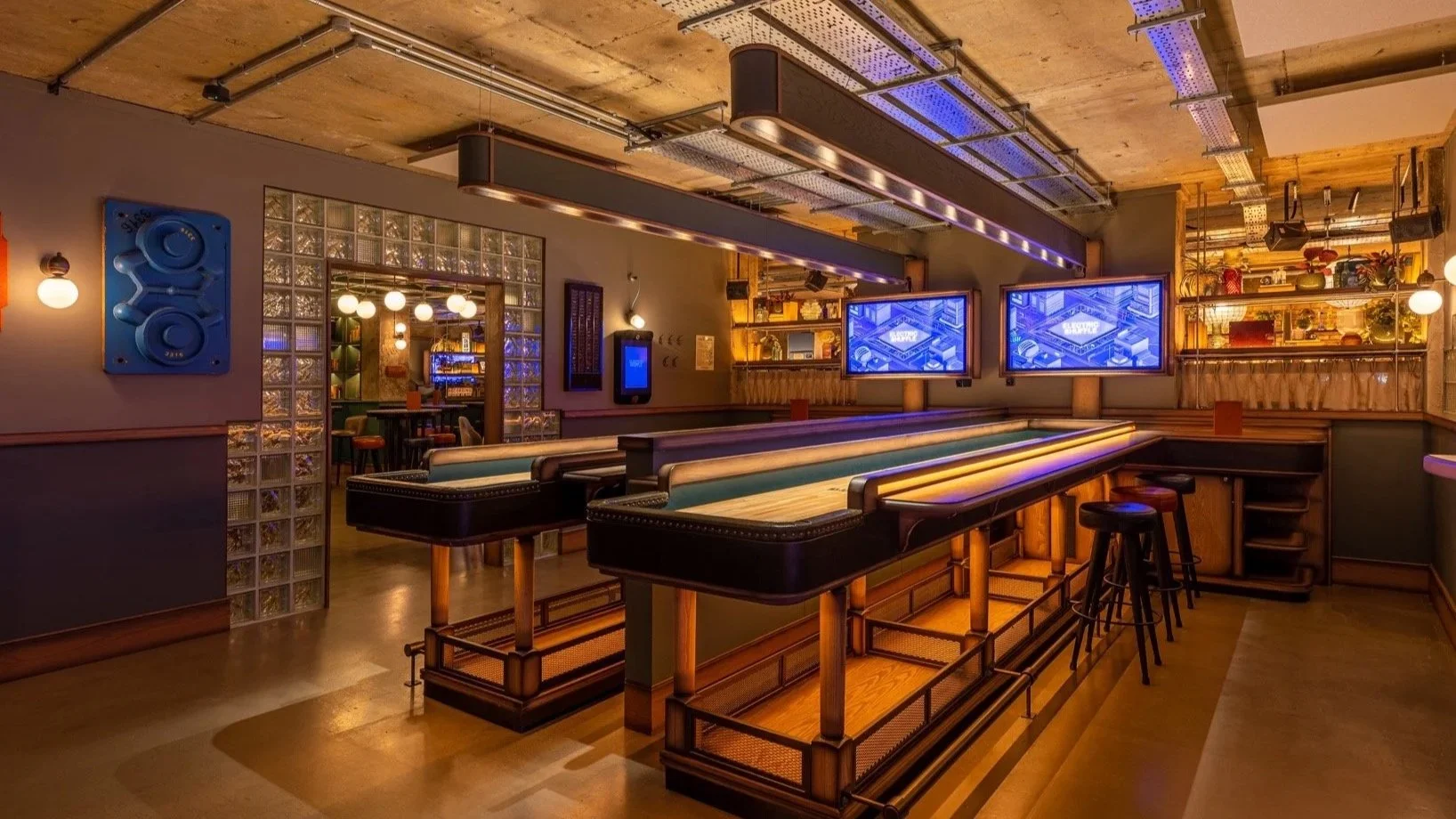
Every venue has corners, thresholds, or transitional areas that risk becoming dead zones, where the energy drops or the atmosphere falls flat. We’ve all seen it: a cluster of pot plants standing guard over a corner nobody knew what to do with.
Nobody wants to sit at the table directly beside the entrance to the toilets, in a service zone, or next to a back-of-house door. These become the tables that never get requested, that get filled last, that quietly underperform.
A good layout minimises these dead spots by considering what every part of the space contributes to the guest experience. Sometimes that means being honest about the constraints of your footprint and designing around them rather than pretending they don’t exist.
Addressing dead space early in the design process opens up possibilities. Can that awkward corner become a semi-private booth? Can that threshold become a waiting area with purpose? Every part of your venue can be working for you, not against you.
9. ACCESSIBILITY FROM THE OUTSET
Accessibility works best when it's integral to the floor plan from the start, rather than retrofitted later. This means clear, generous routes, intuitive wayfinding, and thoughtful furniture placement so every guest can navigate and enjoy the space with ease.
Wheelchair access, room for a buggy to move through comfortably, step-free routes where possible, accessible toilets, and seating options for guests with limited mobility; these should all be part of the initial layout. When they are, the benefits extend well beyond the guests they're designed for. Wider circulation routes make service smoother. Step-free access helps parents with pushchairs as much as wheelchair users. Clear wayfinding reduces guest anxiety.
This isn't a compliance exercise; it's a design fundamental that expands your potential audience and improves the experience for everyone.
10. Engage design early
This principle underpins all the others. The earlier layout is considered in a project, ideally at feasibility stage, before costs are committed and plans are fixed, the greater the impact you can have.
It’s not uncommon for the floor plan to get locked in during feasibility based purely on cover count, without proper consideration of the design principles that make a space actually work. By the time a designer is brought in, the fundamental issues are already embedded and expensive to fix.
Giving the floor plan the attention it deserves from the outset means issues get identified before they become costly problems. Can you actually fit that many covers while maintaining the experience you’re promising? Is the bar in the right location? Are there clear sightlines? Does the circulation work?
It’s also worth continually sense-checking your floor plan as works progress on site. Verify dimensions, check for pinch points, walk the circulation routes at each stage. What looks adequate on a drawing can feel tight in reality.
A floor plan that’s been properly considered and revisited throughout the process becomes the foundation for everything your venue sets out to achieve.
A Real Example: Moving the Bar
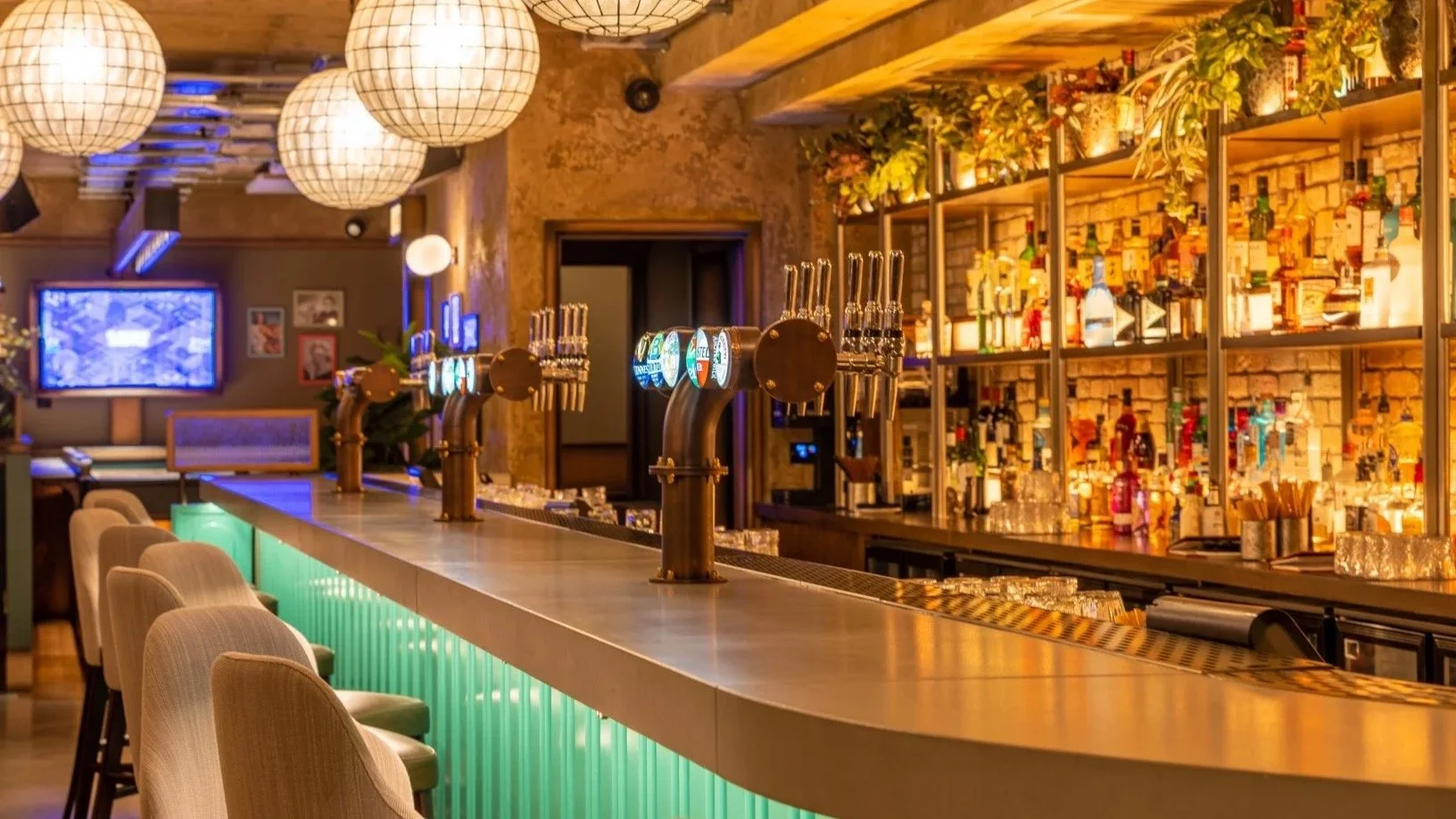
On a recent project, the original layout had the bar against the wall, with all seating running around the perimeter of the venue. On paper, it looked efficient and maximised covers.
In reality, it would have created a venue that felt like a rectangular box, with guests and movement all pushed to the edges. The bar, which should have been the energy centre, was tucked against the wall with no presence in the room.
We moved the bar so it came out into the space, perpendicular to the wall. It disrupted the rectangle, created natural zones, and gave the venue a heart. The circulation became more interesting. Sightlines improved. The whole space started working together rather than feeling like a series of edges.
That single change transformed how the venue would perform, and it happened because we challenged the layout before construction started, not after.
Final Thoughts
Layout is where design, operations, and guest experience all meet. Before finishes are selected, before any of the more visible design decisions, the floor plan needs to work.
The best layouts are the ones you don’t notice, the ones that feel intuitive, where guests move naturally, where staff can work efficiently, where the space performs commercially without compromising on experience.
That’s the invisible design that holds everything together.
If you’re working on a hospitality project and want to explore how these layout principles could apply to your space, we’d love to chat. If you need support with layout, feasibility or delivery, you can learn more about our Services.
